
7 Mistakes You’re Making When That Check Engine Light Comes On (and How to Fix Them)
It happens when you least expect it. You’re driving down the road in Dover, enjoying the ride, when a small, amber glow catches your eye. It’s the dreaded check engine light. Your heart sinks. Your mind starts racing. Is your car about to explode? Is this going to cost thousands of dollars? Can you just keep driving and hope it goes away?
We’ve all been there! That little light is one of the most misunderstood features of your vehicle. It is designed to be an early warning system, but for many drivers, it’s a source of pure anxiety. Unfortunately, that anxiety often leads to poor decisions.
At First Class Car Care, we see the results of these mistakes every day. Most of the time, the damage isn’t caused by the initial problem, but by how the driver handled the light when it first appeared. Are you making these common errors? Let’s dive into the seven biggest mistakes you’re making when that light comes on, and exactly how to fix them!
1. The “Ostrich” Approach: Ignoring the Light Entirely
This is the most common mistake by far. You see the light, but the car feels fine. There’s no smoke, no weird noises, and the brakes still work. So, you decide to ignore it. You might even put a piece of black tape over it so you don’t have to look at it!
Why this is a mistake:
Modern vehicles are incredibly smart. The check engine light (technically the Malfunction Indicator Lamp) triggers when the onboard computer detects a problem with the emission, ignition, or fuel systems. Even if the car “feels” okay, an underlying issue: like a faulty oxygen sensor: could be tanking your fuel economy or slowly destroying your catalytic converter. Ignoring a $200 sensor today could lead to a $2,000 exhaust repair next month.
How to fix it:
Treat the light as an invitation to save money! Address it immediately. A quick trip to a professional for auto diagnostics can identify the root cause before it snowballs into a catastrophic failure.

2. Assuming a “Code” is a Diagnosis
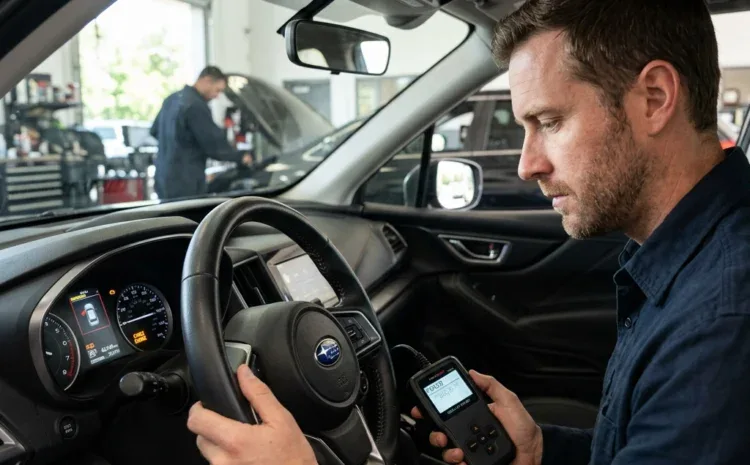
You might think you’re being proactive by heading to a local auto parts store to get a “free code scan.” The scanner tells you “P0420,” and the person behind the counter tells you that you need a new catalytic converter. You buy the part, install it, and three days later… the light is back on.
Why this is a mistake:
A diagnostic code is not a diagnosis. It is merely a starting point. A code for a “lean mixture” doesn’t necessarily mean you need a new sensor; it could be a vacuum leak, a clogged fuel filter, or a cracked intake hose. Relying on a basic scanner without the proper training is like trying to perform surgery because you read a thermometer.
How to fix it:
Lean on the experts! A professional technician uses high-level diagnostic equipment to perform “pinpoint testing.” They don’t just read the code; they test the components to find out why the code was triggered. This saves you from the “parts cannon” approach where you keep buying parts hoping one will work.
3. Clearing the Light Without Fixing the Problem
In the age of cheap Bluetooth OBD-II scanners, many drivers simply hit “Clear Codes” on their phones. They see the light disappear and breathe a sigh of relief. Problem solved, right?
Why this is a mistake:
Clearing the code does not clear the problem. It just hides it. Even worse, it wipes out the “freeze frame data”: the snapshot of exactly what the engine was doing when the fault occurred. This makes it significantly harder for a mechanic to help you later. Plus, your car won’t pass Delaware state emissions testing if the “monitors” aren’t set, which happens when you clear codes.
How to fix it:
Don’t touch that “clear” button! Keep the data intact so your mechanic can see the full story. If the light goes off on its own after you’ve tightened a gas cap, that’s great: it means the car’s computer has verified the fix. If not, the light needs to stay on until the repair is complete.
4. Driving Aggressively While the Light is On
When your check engine light is on, your car may enter a “limp mode” or simply run on “safe” default settings. If you continue to tow a heavy trailer, speed down the highway, or accelerate hard, you are putting immense stress on a compromised system.
Why this is a mistake:
If the light is on because of a cooling issue or a fuel trim problem, aggressive driving can lead to engine overheating or internal damage. You are essentially asking a “sick” car to run a marathon.
How to fix it:
Take it easy! If the light is steady (not flashing), you can usually drive to your destination or a repair shop, but do so gently. Avoid heavy loads and high speeds. If the light starts flashing, pull over immediately! A flashing check engine light indicates a severe engine misfire that can melt your catalytic converter in minutes.

5. Panic-Buying a New Gas Cap
You’ve probably heard that a loose gas cap is the number one cause of a check engine light. While this is true, many people respond by immediately running out and buying a cheap, aftermarket gas cap from a big-box store.
Why this is a mistake:
First, it might not be the gas cap at all. Second, many modern cars are very sensitive to the seal quality. Cheap, non-OEM (Original Equipment Manufacturer) caps often don’t seal correctly, which means the light stays on even if the cap was the original problem! Now you’re even more confused because you “fixed” it, but the light is still there.
How to fix it:
Check your current cap first! Is it clicked into place? Is the rubber seal cracked? If it is damaged, buy a high-quality replacement specifically designed for your vehicle. If the light stays on after a few days of driving, look up professional engine care to find the real culprit.
6. Neglecting Other Warning Signs
Sometimes the check engine light is just the tip of the iceberg. Are you noticing a slight vibration at stoplights? Is there a faint smell of raw gasoline? Is your car taking longer to start in the morning?
Why this is a mistake:
The computer is smart, but it’s not human. It might trigger a generic code when the actual symptoms you are feeling point to a very specific mechanical issue. Ignoring these secondary signs means you aren’t giving your mechanic the full picture, which can lead to longer diagnostic times and higher labor costs.
How to fix it:
Be a detective! Pay attention to how your car smells, sounds, and feels. When you bring your vehicle to First Class Car Care, tell us everything. “The light came on, but I also noticed the car shakes when I turn the AC on” is incredibly helpful information for our team.

7. Taking Your Car to the Wrong Shop
In an attempt to save a few dollars, many drivers take their complex, modern vehicles to a “generalist” shop that doesn’t have the specific diagnostic tools or training required for advanced engine management systems.
Why this is a mistake:
Modern cars are basically computers on wheels. If a shop doesn’t invest in regular training and the latest technology, they are just guessing. You might end up paying for hours of labor while they “hunt” for the problem, or worse, they might misdiagnose it entirely.
How to fix it:
Do your homework! Look for a shop with high ratings and a reputation for transparency. When choosing an auto repair shop in Dover, DE, look for certifications and a clean, professional environment. You want a team that treats your car with the same respect you do.
The First Class Solution: How We Fix the Light the Right Way
At First Class Car Care, we don’t guess: we test! We follow a professional, step-by-step process to ensure your check engine light is handled correctly the first time.
- Comprehensive Scan: We pull the codes and the freeze-frame data to see what happened the moment the light triggered.
- Visual Inspection: We check the obvious stuff first: hoses, wires, and connections. You’d be surprised how often a rodent or a loose wire is the culprit!
- System Testing: We use professional-grade oscilloscopes and smoke machines to test the integrity of your engine’s systems.
- Transparent Reporting: We explain exactly what we found, why it happened, and what the fix involves. No jargon, just clear communication.
- Quality Repair: Using high-quality parts, we perform the repair and then perform a “drive cycle” to ensure the car’s computer is happy and the light stays off for good.
Don’t Let the Light Win!
That little amber light doesn’t have to ruin your week. By avoiding these seven common mistakes, you can protect your vehicle, your safety, and your wallet. Remember, the check engine light is your car’s way of asking for help: don’t leave it hanging!
Whether it’s a simple gas cap issue or a complex transmission repair concern, our team is here to guide you through it with professional care and a friendly smile. We pride ourselves on being the local experts that Dover drivers trust.
Ready to get that light turned off for good? Don’t wait for a small problem to become a big headache! Schedule your appointment online today and let the pros at First Class Car Care give you the peace of mind you deserve! Or, if you have questions about a specific symptom you’re experiencing, feel free to contact us anytime. We can’t wait to get you back on the road safely!