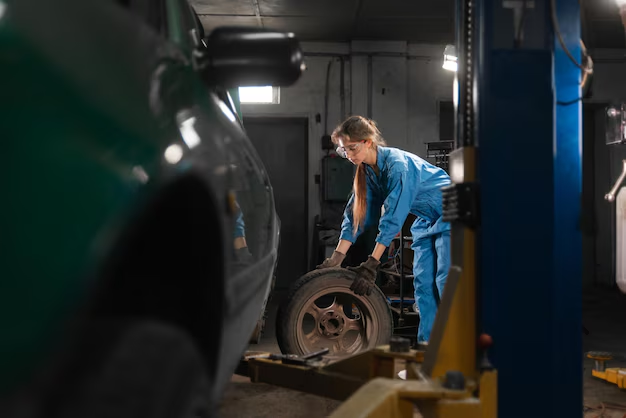
Tire Service and Maintenance: How to Extend the Life of Your Tires
Owning a car is a significant investment, and one of the best ways to protect that investment is by taking care of your tires. Tire service and maintenance are crucial for the longevity of your tires and the safety of your vehicle. In this guide, we’ll explore practical steps to help your tires last longer while enhancing your driving experience. Whether you’re a local in Dover, DE, or part of a bustling trucking fleet, these tips will keep you on the road longer and safer.
Understanding Tire Basics
Before diving into maintenance, it’s essential to understand the basics of tires. Tires are not just rubber circles; they are complex components designed for specific tasks and conditions.
Tire Types and Their Functions
Tires come in various types, each tailored for different needs. All-season tires offer a balanced performance for most weather conditions, while winter tires are designed to provide extra grip on snow and ice. Performance tires, on the other hand, are optimized for speed and handling in dry conditions. Knowing the type of tire that suits your driving style and conditions is the first step in effective tire maintenance. For instance, if you frequently drive in snowy conditions, investing in winter tires can prevent dangerous skidding and improve vehicle control, potentially saving you from costly accidents.
The Anatomy of a Tire
Every tire is composed of several layers, including the tread, sidewall, and bead. The tread is the outer layer that makes contact with the road, and its pattern affects traction and handling. The sidewall connects the tread to the bead and provides structural support. Understanding these components can help you better assess tire conditions during inspections. For example, a common issue like sidewall cracking can indicate structural damage, often necessitating replacement. This proactive understanding can help avoid blowouts that might lead to expensive repairs or replacements.
Regular Tire Inspections
Routine inspections are vital to ensure your tires are in good shape. Catching potential issues early can save you from costly repairs and dangerous situations.
Checking Tread Depth
Tread depth is crucial for maintaining traction, especially in wet conditions. The penny test is a simple way to check tread depth: insert a penny into the tread with Lincoln’s head upside down. If you can see the top of Lincoln’s head, it’s time for a tire replacement. Beyond just the penny test, using a tread depth gauge can provide a more accurate measurement, ensuring your tires meet the minimum legal requirement of 2/32 inches in most regions.
Looking for Wear and Tear
Uneven wear can indicate alignment issues or improper inflation. During inspections, look for cracks, bulges, or embedded objects. These signs can lead to blowouts if not addressed promptly. For example, a bulge on the tire’s surface could result from hitting a pothole, leading to internal damage. Addressing these issues early by replacing the tire can prevent an unexpected blowout on the highway, which can be both dangerous and costly to resolve.
The Importance of Tire Rotation
Tire rotation is an often overlooked yet essential maintenance practice. Rotating your tires ensures even wear across all tires, extending their lifespan.
How Often to Rotate Your Tires
Experts recommend rotating your tires every 5,000 to 7,000 miles. This interval can vary based on vehicle type and driving conditions, so it’s wise to consult your vehicle’s manual or a tire professional for guidance. For example, if you drive a front-wheel-drive vehicle, the front tires tend to wear out faster due to the additional weight and power they handle. Regular rotation can help distribute this wear evenly, extending the tire life significantly.
Patterns of Tire Rotation
There are several rotation patterns, including the forward cross, rearward cross, and X-pattern. The choice of pattern depends on your vehicle’s drivetrain and tire type. Proper rotation ensures that each tire wears evenly, preventing premature tire replacement. This practice can save you money in the long run, as uneven wear often necessitates early replacement.
Maintaining Proper Tire Pressure
Keeping your tires inflated to the correct pressure is crucial for safety and efficiency. Incorrect pressure can lead to poor fuel economy, decreased handling, and increased tire wear.
How to Check Tire Pressure
Use a reliable tire pressure gauge to check your tires when they are cold. Refer to your vehicle’s manual or the placard inside the driver’s door for the recommended pressure levels. Remember, tire pressure can fluctuate with temperatures, so regular checks are necessary. A practical example is during the winter when colder temperatures can cause tire pressure to drop, potentially affecting handling and fuel efficiency.
The Consequences of Improper Inflation
Underinflated tires can overheat and are more prone to failure, while overinflated tires can lead to a harsh ride and increased wear. Maintaining the correct tire pressure ensures optimal performance and longevity. For instance, driving with underinflated tires can reduce fuel efficiency by up to 3%, translating to higher fuel costs over time.
Seasonal Tire Care
Adjusting your tire maintenance routine with the seasons can further extend tire life, especially in areas with varying weather conditions like Dover, DE.
Preparing for Winter
In colder months, consider switching to winter tires for better traction on snow and ice. Ensure your all-season or summer tires are stored correctly to prevent damage. Proper storage involves keeping tires in a cool, dry place away from direct sunlight, which can cause the rubber to deteriorate over time.
Summer Tire Maintenance
As temperatures rise, check tire pressure more frequently since heat can increase it. Also, inspect for signs of wear that may have occurred during winter conditions. For example, excessive heat can cause tire pressure to rise, leading to overinflation and potentially uneven tread wear.
When to Seek Professional Tire Services
Even with diligent care, there are times when professional tire services are necessary. Regular professional inspections can catch issues that may not be visible during routine checks.
Signs You Need a Tire Expert
If your vehicle pulls to one side, vibrates at high speeds, or if you notice unusual tire wear, it might be time to visit a professional. These symptoms may indicate alignment or suspension issues that require expert attention. Ignoring these signs can lead to more severe damage and costly repairs, such as suspension system failures.

Choosing the Right Tire Service Provider
When selecting a tire service provider, consider their reputation, experience, and customer service. A reputable provider will offer services like tire repair, alignment, and replacement, ensuring your vehicle is safe and efficient. It’s worthwhile to read reviews and perhaps visit a few service centers to find the one that best fits your needs and budget.
Taking Action for Tire Longevity
Tires are a critical component of your vehicle, and proper maintenance is key to their longevity. By following the steps outlined in this guide, you can maximize your tire’s lifespan and ensure a safer driving experience. At First Class Car Care, we specialize in tire service and are dedicated to helping you maintain your tires.
Visit us or contact us today to schedule a comprehensive tire inspection and maintenance service. Your safety and satisfaction are our top priorities. Let’s ensure your journey is always smooth and secure.